November 12, 2026
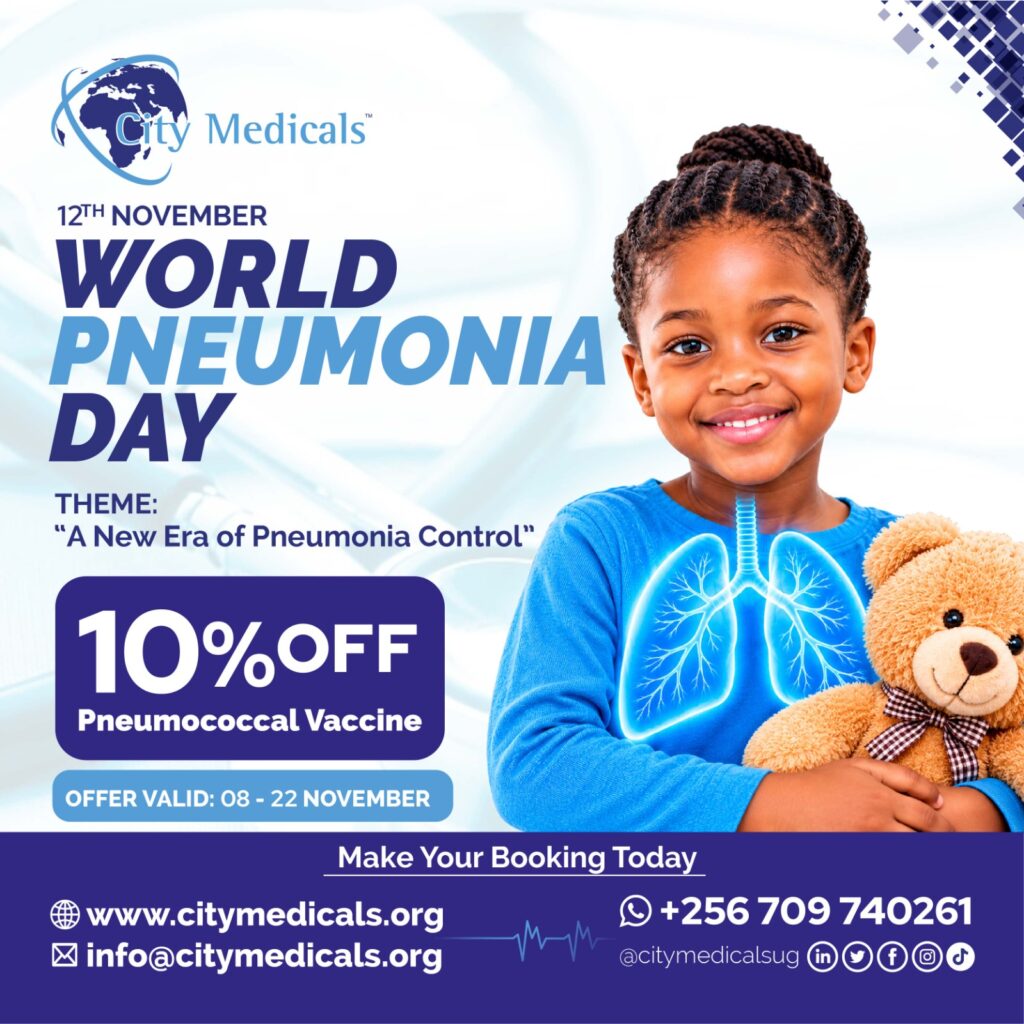
Theme: A New Era of Pneumonia Control.
Pneumonia remains a major public health concern in Uganda, particularly among children under five years of age. According to Uganda’s Ministry of Health, this potentially life-threatening respiratory infection is one of the leading infectious causes of childhood illness and death, accounting for approximately 10% of all deaths among children under five nationally. Pneumonia also poses significant threat to adults, with the risk of death increasing depending on age, underlying health conditions and the severity of the infection. Several factors contribute to the growing burden of pneumonia, including exposure to indoor air pollution, overcrowded living conditions, incomplete vaccination, and delays in seeking medical attention. These challenges highlight the urgent need for increased public awareness, early diagnosis, and timely treatment.
What is pneumonia?
Pneumonia is an infection in the lung tissue caused by inhaled microbes that reach the alveoli, which are tiny air sacs found in the lungs. These microbes multiply causing an inflammation. Normally, these air sacs are filled with air, allowing oxygen to pass into your blood stream. However, when infected they become filled with fluid, pus and inflammatory cells instead of air. This creates a problem because there is now less space for oxygen to move from your lungs into your bloodstream. As more areas of the lungs become affected, breathing can become difficult and painful.
What causes pneumonia?
Pneumonia occurs when harmful germs enter the respiratory system and overwhelm the body’s natural immune system defenses and cause an infection.
Bacteria.
Bacterial infections are the leading causes of pneumonia. Types are;
- Streptococcus pneumoniae (The most common bacterial cause of pneumonia).
- Haemophilus influenzae.
- Mycoplasma pneumoniae.
Viruses.
Viruses can also cause pneumonia, including;
- Influenza (Flu).
- Respiratory Syncytial Virus (RSV).
- COVID-19 Virus.
Fungi.
It is less common, and usually affects individuals with weakened immune systems.
Aspiration.
Aspiration pneumonia occurs when food, drinks, saliva or vomit accidently enters the lungs instead of the stomach. This can introduce bacteria or irritate the lungs instead of the stomach.
Symptoms
Symptoms vary from mild to severe depending on the germ, age, and overall health.
- Chest pain when breathing deeply or coughing.
- Persistent cough that produces yellow, green, or bloody mucus.
- Shortness of breath or rapid, shallow breathing.
- Fever, sweating, and shaking chills.
- Fatigue, muscle pain.
- Loss of appetite: reduced desire to eat, sometimes accompanied by nausea or vomiting.
- Confusion or unusually low body temeratures( hypothermia) in older adults aged 65 and above.
Age specific differences:
- Older adults (65+): may not exhibit high fevers, instead they often present with confusion (lowered mental alertness), or an unusually low body temperature (hypothermia).
- Infants & young children: may show signs like fast breathing, fever, grunting sounds, nasal flaring, vomiting or lack of energy.
Recognizing these differences helps ensure timely diagnosis and treatment.
How it is diagnosed.
It is diagnosed with a combination of physical examination and diagnostic testing:
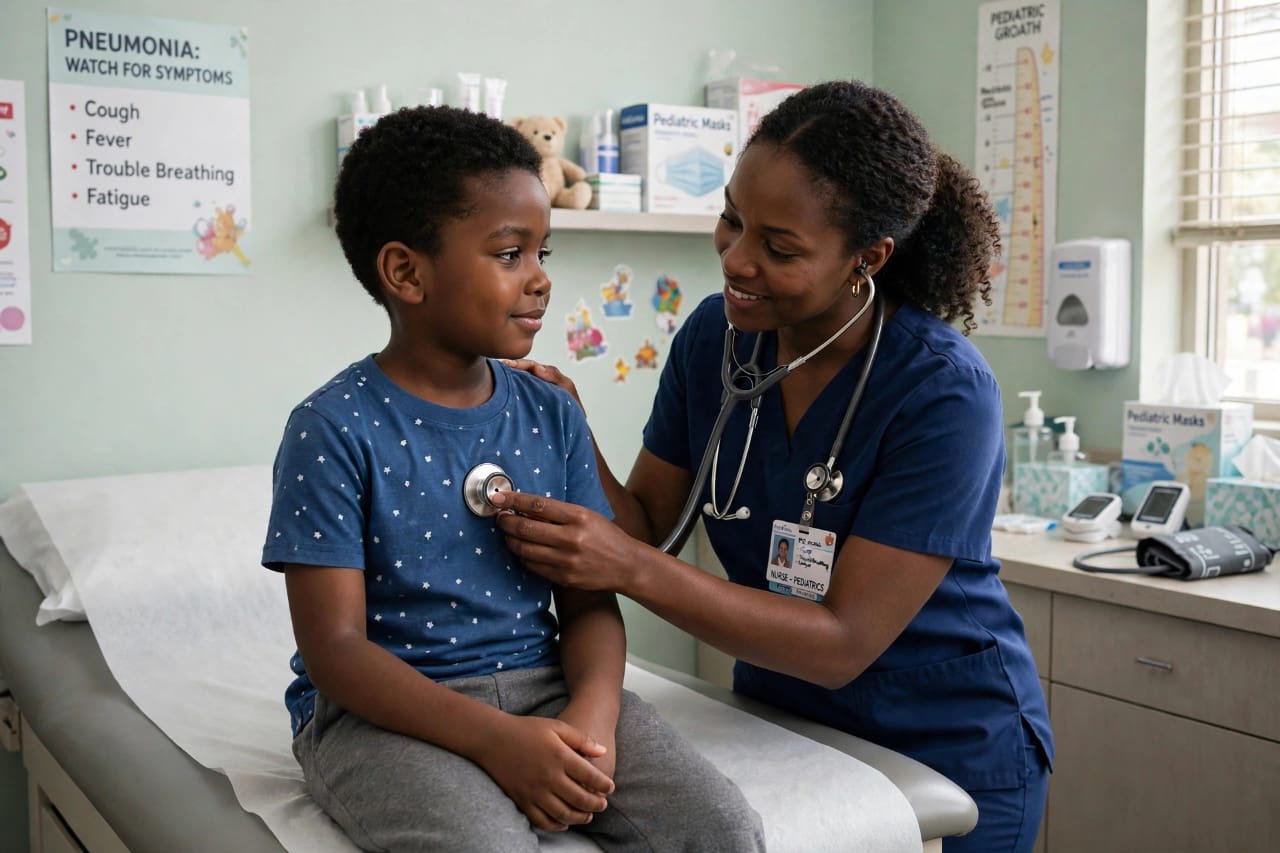
- Physical Examination: The doctor listens to the lungs using a stethoscope. Abnormal sounds like crackling, rumbling, or bubbling indicate fluid accumulation in the air sacs.
- Chest X-ray: Provides a clear visual image of the lungs to confirm the presence of inflammation and pinpoint exactly which parts of the lungs are affected.
- Pulse Oximetry: A small clip sensor attached to a finger that measures how efficiently the lungs are supplying oxygen to the blood.
- Blood tests: Used to check the white blood cell count (confirming an active infection), and an attempt to identify if the germ is present in the bloodstream.
- Sputum test: A sample of mucus coughed up from deep inside the lungs is analyzed in a lab to identify the precise germ causing the infection.
Treatment Strategies.
Treatment goals are to eliminate the underlying infection and prevent complications.
- Antibiotics: Used exclusively for bacterial pneumonia. It is crucial to finish the entire prescribed doze, even if feeling better early, to prevent the infection from returning or developing antibiotic resistance.
- Antivirals: Used for certain viral infections, such as influenza, when indicated.
- Antifungals: Used to treat fungal pneumonia.
- Hospitalization: Necessary for severe cases requiring close monitoring and advanced medical support.
- Care Requirements: Required if patients experience severe breathing trouble, dangerously low oxygen levels or confusion.
- In-Hospital treatments: Includes oxygen therapy, intravenous fluids (IV), and mechanical breathing support.
- Self -Care & Recovery:
- Rest: Ample sleep and reduced physical activity, allow the body to focus energy on healing.
- Hydration: Drinking plenty of fluids (water, warm tea, broths) helps thin out heavy lung secretions, making mucus easier to cough up.
Prevention & Risk Reduction.
While pneumonia can affect anyone, key preventive habits include:
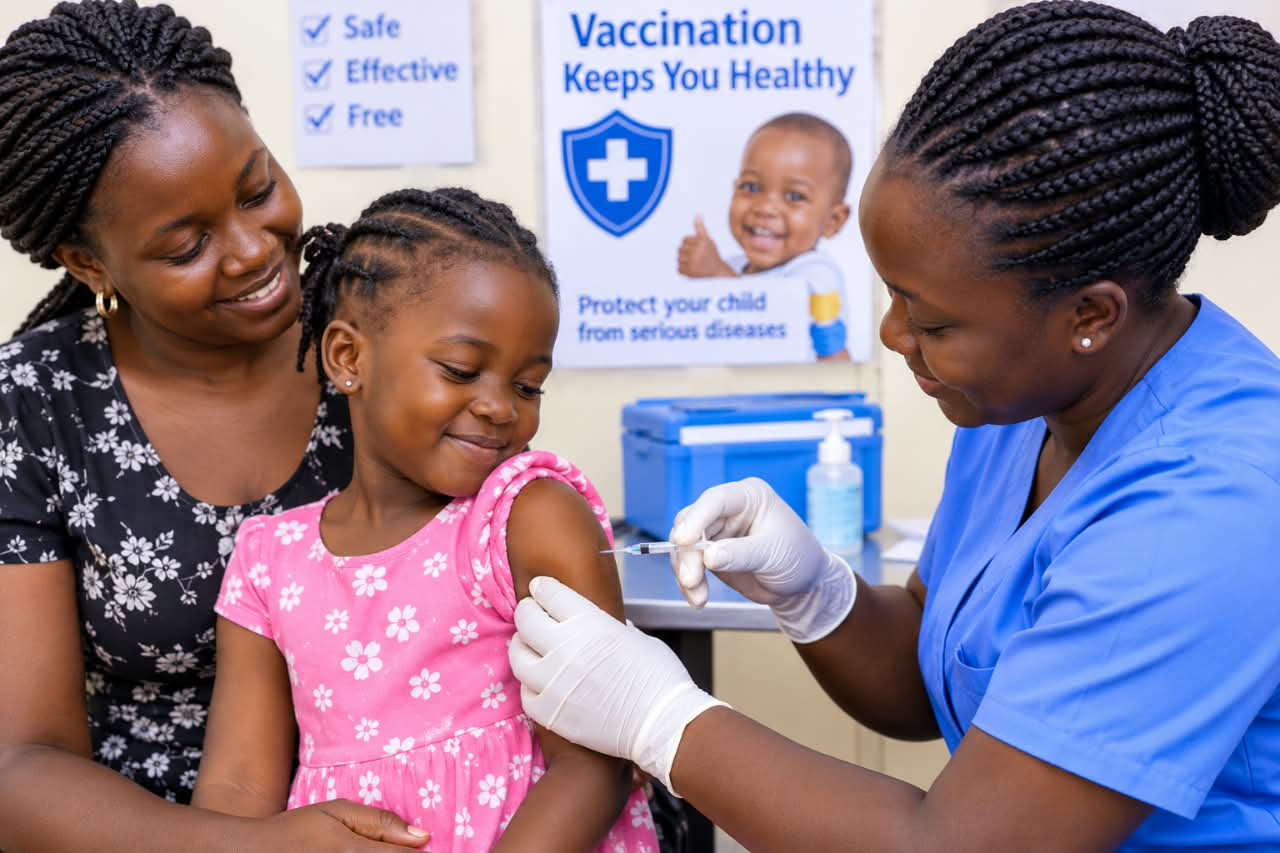
- Vaccination: Vaccines exist to protect against pneumococcal bacteria, influenza and COVID-19, that can reduce lung function and increase the risk of complications or even death.
- Good Hygiene: Regular handwashing with soap and water limits the spread of respiratory germs.
- Avoiding smoking: Smoking damages lungs’ natural defenses against respiratory infections.
- Maintaining a Healthy Immune System: A balanced diet, adequate sleep and regular physical activity help keep the immune system strong.
- Early medical attention: Seek treatment for respiratory infections before they become severe.
This World Pneumonia day, protect yourself and your loved ones against pneumococcal disease. City Medicals is offering a 10% discount on the pneumococcal vaccine for eligible infants and adults aged 50 years and above. Get vaccinated at UGX 315,000 down from 350,000, offer valid from 8th to 22nd November 2026.
Visit us at our branches in Kololo, Buliisa or Hoima to take advantage of this special offer. Call us on 0200906345, WhatsApp 0709740261 and learn more about our services at: www.citymedicals.org.
Together we can help prevent pneumonia and protect lives.
Every breath is precious. Every life deserves protection!