14th November 2026.
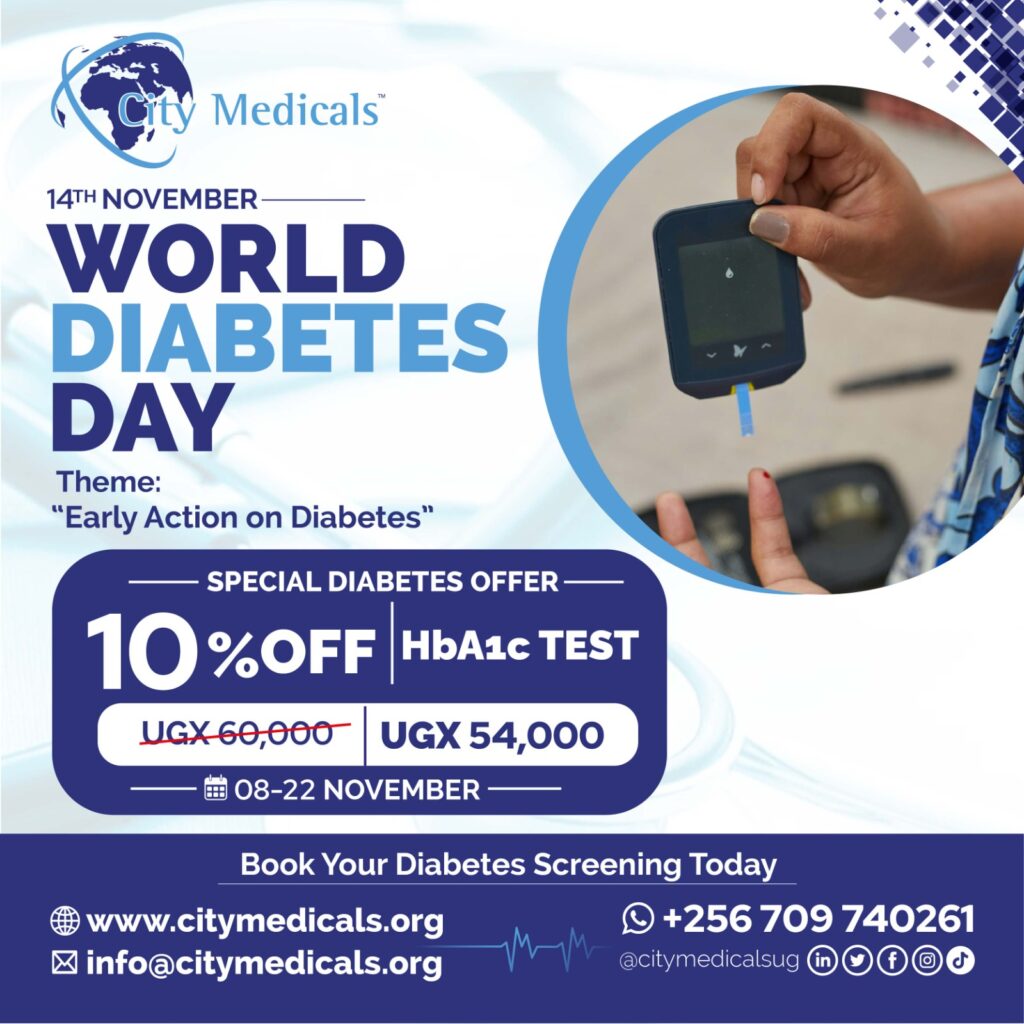
Theme: Early Action on Diabetes.
Diabetes is a complex and multifaceted disease that affects millions of people worldwide, imposing a significant burden on individuals, families and healthcare systems.
The Uganda Diabetes Association (UDA), in collaboration with the Ministry of Health, released the Integrated Diabetes Management Guidelines for Uganda on the 1st of June 2026. The guidelines aim to standardize diabetes care across all levels of healthcare, emphasizing early detection, individualized treatment, lifestyle modification, management of complications and patient-centered care. These measures are intended to improve health outcomes and reduce the burden of diabetes.
What is diabetes?
Diabetes is a long-term condition where your body cannot properly manage blood sugar (glucose), which serves as a vital fuel for your brain, muscles and tissues.
Normally, the pancreas releases a hormone called insulin to help glucose move from your blood into your cells. In someone with diabetes, the body either doesn’t make enough insulin or cannot use it effectively.
This causes sugar to build up in the bloodstream, starving your cells of energy and eventually damaging vital organs like the heart, blood vessels, eyes, kidneys, and nerves.
Major Types & Causes of Diabetes.
- Type 1 Diabetes (Autoimmune): The immune system mistakenly attacks and destroys the insulin-making cells in the pancreas.It is caused by a mix of genetics and environmental triggers (like viral infections).It usually starts in childhood or youth and requires lifelong daily insulin injections.
- Type 2 Diabetes (metabolic/resistance): The body’s cells stop responding well to insulin, and over time the pancreas can’t keep up with the demand.It is strongly linked to excess body weight and obesity, lack of exercise, unhealthy dietary habits, and aging. It makes up 90% to 95% of all cases and can often be managed through lifestyle changes and medications.
- Gestational Diabetes (Pregnancy-Induced): Pregnancy hormones cause insulin resistance in the mother. If the pancreas cannot produce enough extra insulin to compensate, blood sugar rises. While it usually clears after birth, it leaves both mother and child with a higher risk of developing Type 2 diabetes later in life.
Common signs and Symptoms.
Differences by type: Type 1 symptoms appear suddenly and intensely over days or weeks, sometimes leading to a dangerous emergency called diabetic ketoacidosis (DKA). In contrast, Type 2 symptoms develop slowly over years and can easily go unnoticed during early stages.
Typical symptoms:
Extreme thirst and frequent urination (as the body flushes out excess sugar), constant hunger and deep exhaustion (because cells lack energy), unexplained weight loss, blurry vision, slow-healing sores, and tingling or numbness in the hands and feet.
How Diabetes is Diagnosed.
- Fasting Plasma Glucose (FPG) Test: Measures blood sugar after an overnight fast of at least 8 hours; a reading of 126 mg/dL (7.0 mmol/L) or higher on two separate tests confirms diabetes.
- Glycated Hemoglobin (HbA1c) Test: Shows average blood sugar levels over the past 2 to 3 months; a level of 6.5% or higher confirms diabetes.
- Oral Glucose Tolerance Test (OGTT): Measures blood sugar before and 2 hours after drinking a sugary 75-gram solution; a 2-hour reading of 200 mg/dL (11.1 mmol/L) or higher indicates diabetes.
- Random Blood Glucose Test: Checked at any time regardless of meals; a reading of 200 mg/dL (11.1 mmol/L) or higher alongside classic symptoms confirms diabetes.
Treatment & Strategies.
- Targeted Therapies: Daily insulin injections (essential for Type 1), oral pills that boost insulin sensitivity or secretion (like Metformin), and injectable medications (like GLP-1 agonists) that help control blood sugar and support weight management.
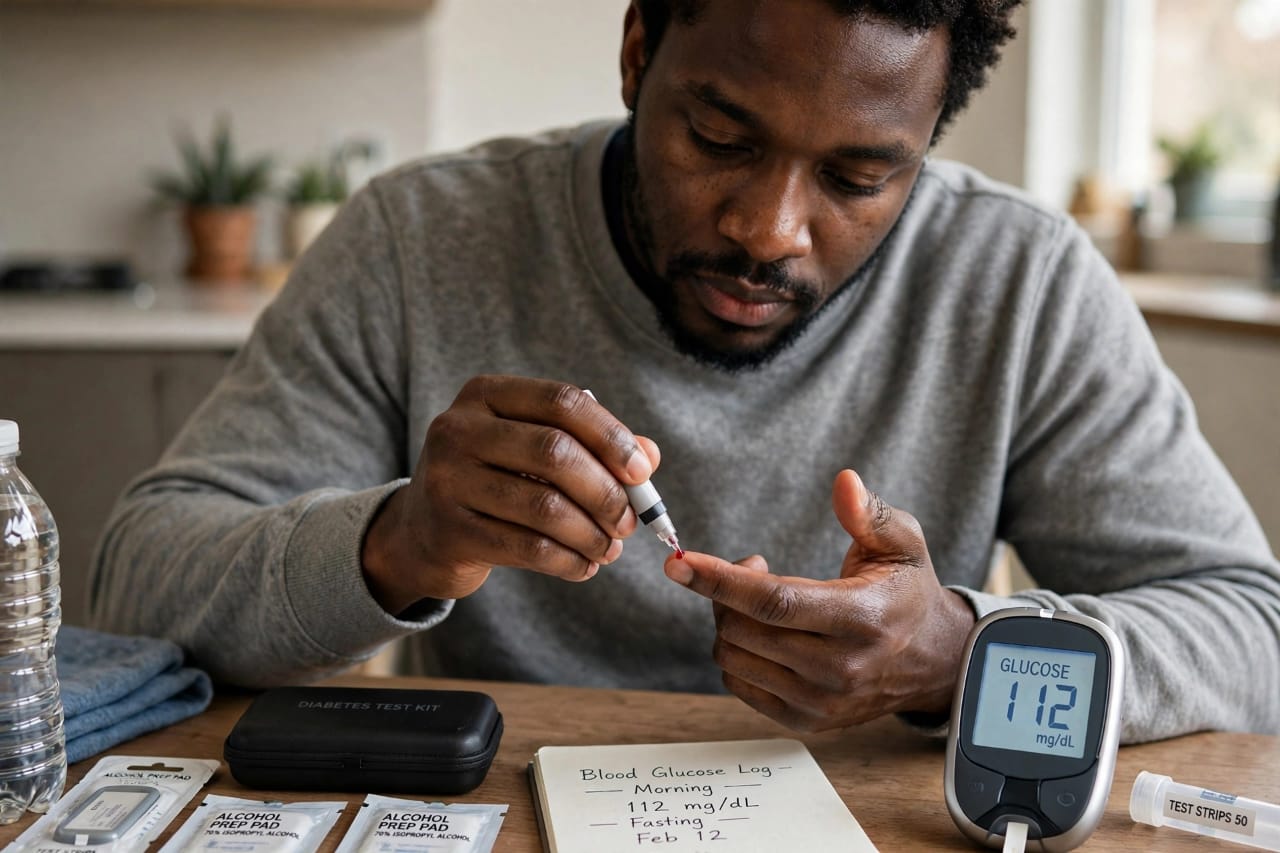
- Lifestyle & Daily Care: Eating a balanced diet rich in whole foods and fiber while limiting processed sugars, exercising regularly to improve how your body handles insulin, and tracking blood sugar trends using home meters or continuous glucose monitors.
- Emergency Care: Treating dangerously low blood sugar (<70 mg/dL) with quick-acting simple carbs or emergency glucagon, and managing acute crises like DKA (diabetic ketoacidosis) in a hospital with Intravenous (IV) fluids and insulin.
Prevention and Risk Reduction.
- Weight Management: Losing a modest 5% to 10% of total body weight significantly reduces insulin resistance.
- Regular physical activity: Getting at least 150 minutes of moderate aerobic exercise (like brisk walking or cycling) every week.
- Healthy Dietary Habits: Focusing on nutrient-dense and fiber-rich foods, while cutting back on sugary drinks and ultra-processed items.
- Routine Health Screenings: Regularly checking blood glucose, blood pressure, and cholesterol, especially for individuals over 45, and those with prediabetes, or those with a family history of the condition.
A diabetes diagnosis does not mean the end of a healthy, fulfilling life. Although diabetes is a lifelong condition, it does not have to define your future. With early diagnosis, the right treatment, healthy eating, regular physical activity, and consistent blood sugar monitoring, diabetes can be effectively managed.
This November, City Medicals is making it easier for you to take control of your blood sugar levels. Enjoy a 10% discount on HbA1c (Glycated Hemoglobin) testing at UGX 54,000, offer valid from 8th to 22nd November 2026.Take charge of your health today!
Visit any of our branches in Kololo, Buliisa, or Hoima. For appointments and inquiries, call us on 0200906345, WhatsApp: 0709740261, or visit our website www.citymedicals.org .
Your health matters. Let’s take the first step towards a healthier future together!